
We believe that the greenest energy is the energy we don’t use. When designing a roof complex, insulation is one of the most important factors in a roof assembly, in order to prevent many problems, such as condensation and mold.
An insulator’s thermal resistance (R-factor) is a measure of a material’s ability to prevent heat from escaping. The higher the R value, the greater the thermal insulation capacity of the material.
When designing, the choice of insulation must take into account the desired thermal resistance, dimensional stability due to temperature variations, fire resistance and service life.
There are 3 main insulation techniques
Warm roof: insulation is installed on the structure beneath the waterproofing complex.
Inverted roof: the insulation is placed on top of the waterproofing with a ballast (gravel or slabs) to hold it in place.
Cool roof: insulation is placed under the decking, requiring adequate ventilation. Often used in refrigerated warehouses.
Refurbishment
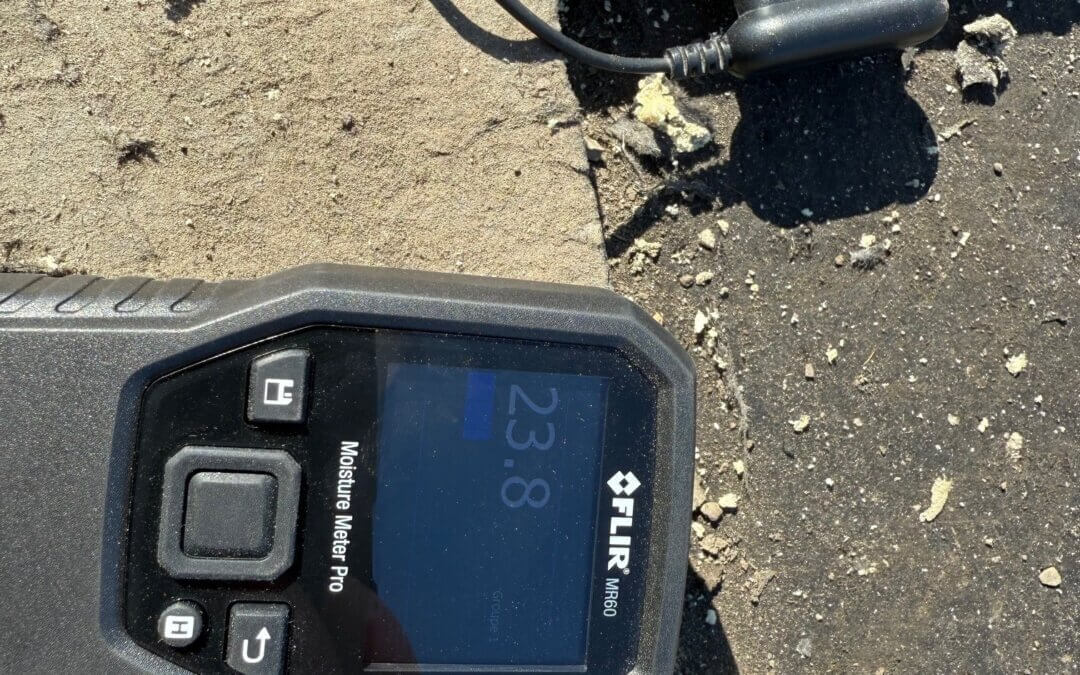
Prior to the design of a complete pool refurbishment, we use exploratory cutting to analyze the composition, moisture content and condition of the insulation. Over the years, insulation can lose some of its performance.
Here’s a table with a brief explanation of the performance of different types of insulation, depending on conditions and age.